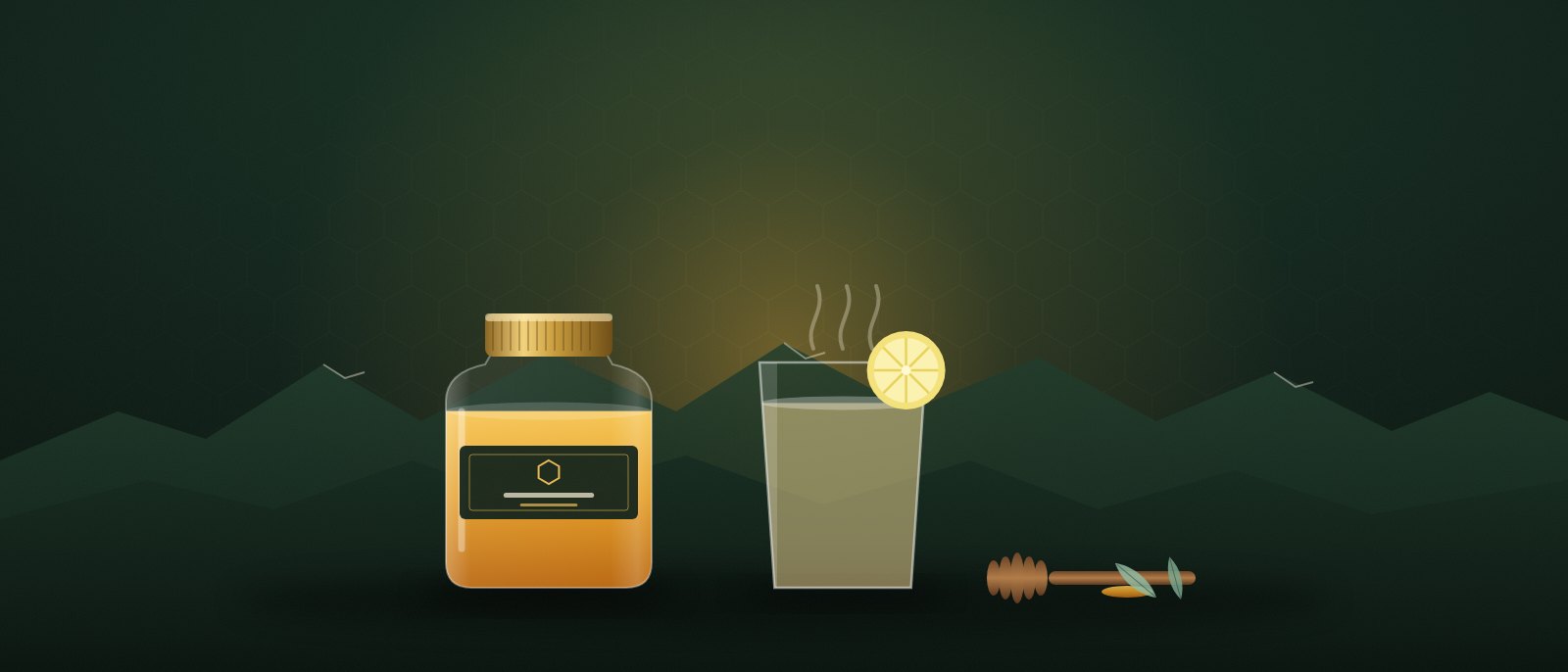
In a great many Indian homes the day begins the same way: a glass of warm water, a spoon of honey, sometimes a squeeze of lemon. It is a lovely habit, and it has collected a long list of promises along the way. This article separates what honey water genuinely offers from the claims that do not hold up, and explains how to make it so you get the best of the honey.
What honey water genuinely offers
- A gentle start to hydration. After a night without water, a warm drink is an easy way to begin. The water does most of the work here, and the honey makes it pleasant.
- A better swap for sugar. If you already sweeten your morning drink, honey brings aroma and flavour that refined sugar does not, so many people find they need a little less.
- Soothing a cough or sore throat. This is the best-supported traditional use. A Cochrane review of trials in children aged one and above found that honey probably reduces cough frequency more than no treatment or a placebo, though the evidence is modest and most studies were short.
- A moment of routine. A slow, warm drink before the day starts has its own value, and it is no small reason the ritual has lasted for generations.
The claims to be sceptical of
- “It burns belly fat.” No food melts fat. If honey water replaces a sugary tea or biscuit, total sugar may fall, and that is where any benefit comes from.
- “It detoxes the body.” Your liver and kidneys do that job. No drink speeds them up in a meaningful way.
- “It is fine for diabetes because it is natural.” Honey raises blood sugar much like table sugar does. If you have diabetes, speak to your doctor before making it a daily habit. We cover this in is honey safe for everyone?
How to make it properly
- Warm, not boiling. Let freshly boiled water cool until it is comfortable to sip, around 40 to 50°C. Very high heat dulls the aromas of raw honey and breaks down its natural enzymes, which is why Ayurveda has long advised against heating honey.
- Stir the honey in last. Add one teaspoon to one tablespoon to a glass of water once it has cooled.
- Lemon is optional. Half a lemon adds vitamin C and brightness. Ginger or a few tulsi leaves are good too.
- Use a clean, dry spoon. A wet spoon in the jar invites fermentation.
Which honey to use
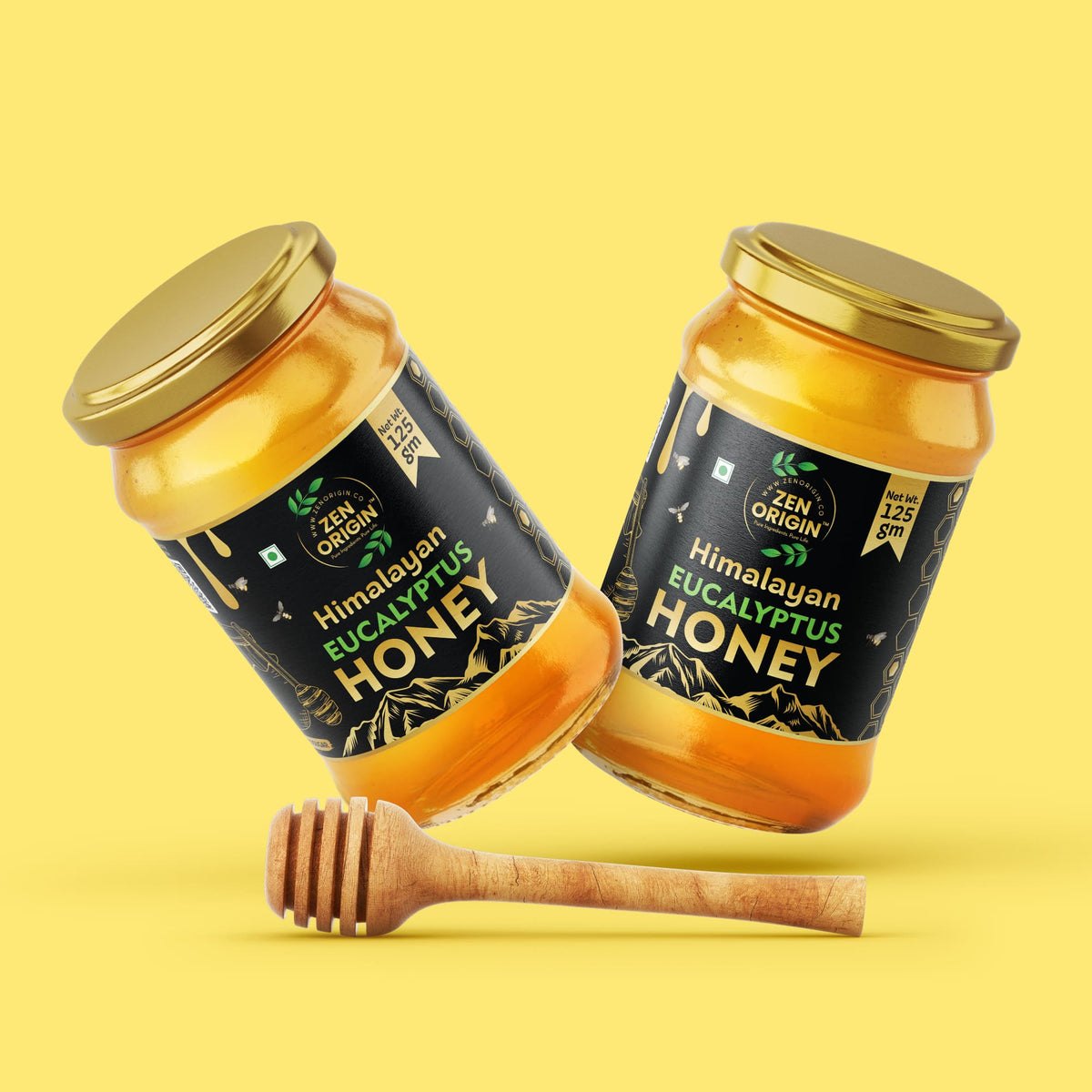
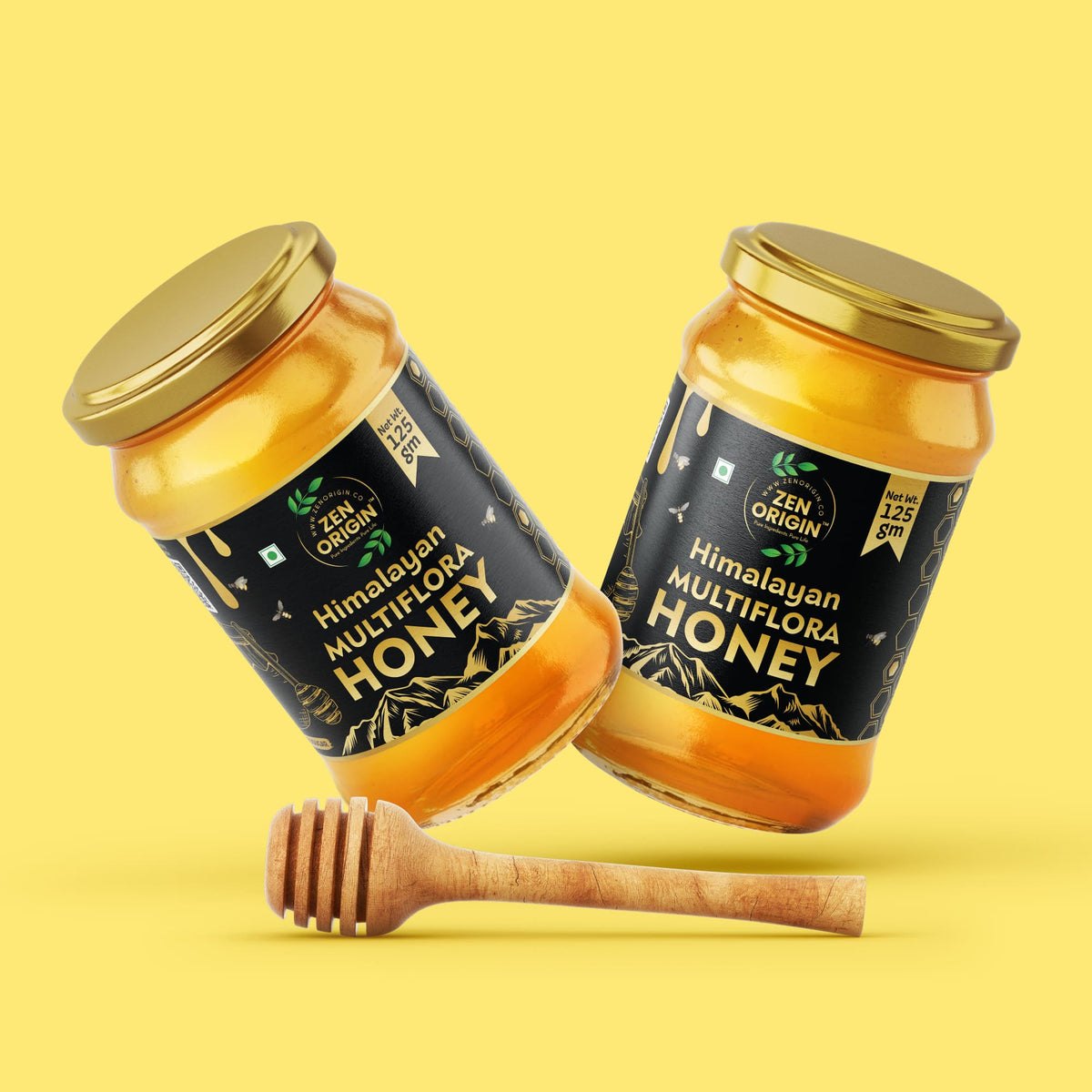
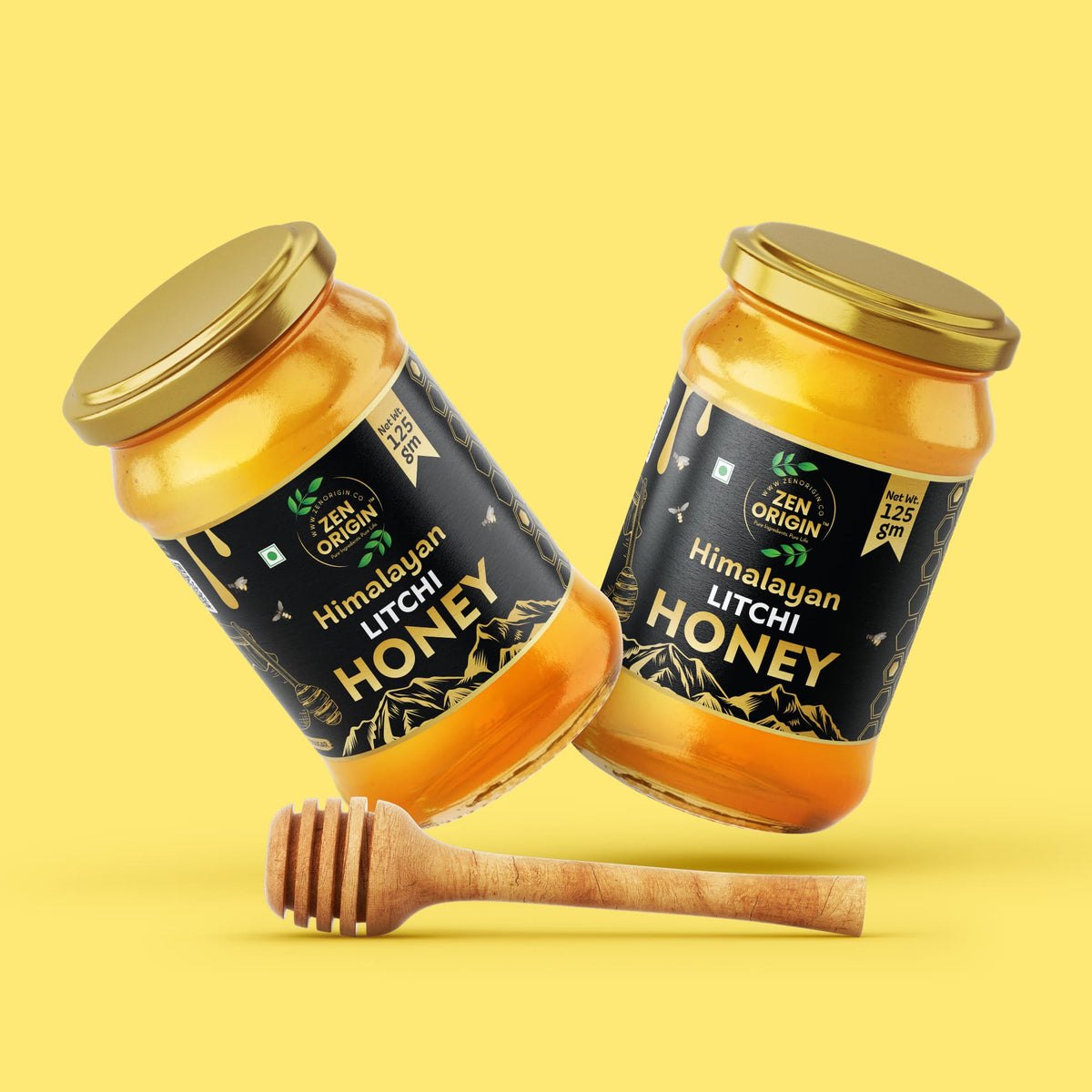
This is where the ritual becomes a pleasure. Our eucalyptus honey is the favourite for mornings: warm, herbal, with a cool finish that suits warm water and ginger. Multiflora is softer and rounder, lovely with lemon. Litchi is light and floral, best if you like your drink delicate. For a full comparison, see litchi, eucalyptus or multiflora.
Whatever you choose, make sure it is genuine honey. A syrup-based imitation gives you the sugar without any of the character; here is how to check.