
Ghee is one of the most adulterated foods in Indian kitchens, because it is expensive and easy to stretch with cheaper fats: vegetable oils, hydrogenated fat, and animal body fats. Smell and colour can be imitated. The reliable answer comes from two numbers on a lab report, and they are easier to understand than they look.
Number one: the BR reading
The Butyro-refractometer (BR) reading measures how much light bends as it passes through melted ghee at 40°C. Milk fat has a characteristic refractive index; most vegetable oils bend light more strongly. Mix oil into ghee and the reading rises above the normal range.
Under FSSAI standards, ghee should have a BR reading between 40.0 and 44.0. A reading above that range is a red flag for vegetable oil. The BR test is quick and cheap, but it cannot tell the whole story on its own, so labs pair it with the next number.
Number two: the RM value
The Reichert-Meissl (RM) value measures the volatile fatty acids, chiefly butyric acid, that are characteristic of milk fat and almost absent from vegetable oils and animal body fats. The more genuine milk fat a sample contains, the higher its RM value. Adding cheaper fats dilutes it.
FSSAI now sets a uniform minimum RM value of 24 across India; AGMARK-graded ghee must reach at least 28. A low RM value is one of the most specific signs that something other than milk fat has been added.
Reading a real report: ours
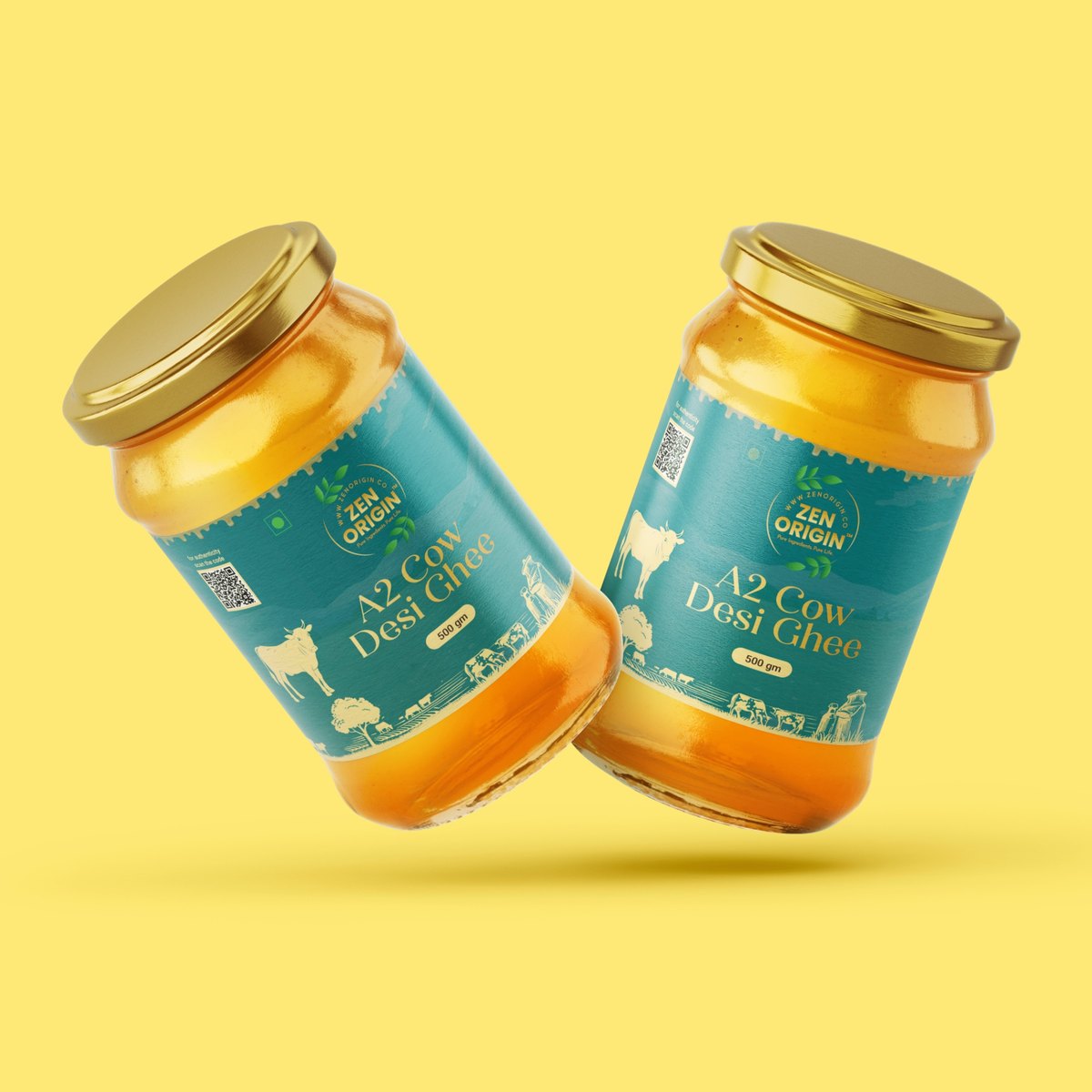
Here is how this looks in practice, using the most recent report for our A2 Cow Desi Ghee from Equinox Labs, a NABL-accredited laboratory (report EQNX:001:FC:26:07:05869, July 2026):
| Test | Our result | FSSAI requirement | What it shows |
|---|---|---|---|
| BR reading at 40°C | 42.3 | 40.0 to 44.0 | No sign of vegetable oil |
| RM value | 27.66 | Minimum 24.0 | Milk fat as expected |
Both results sit comfortably within the limits, and the laboratory confirms they comply with FSSAI requirements. You can open the full report yourself.
Other tests you may see
- Moisture: good ghee is almost free of water; excess moisture shortens shelf life.
- Free fatty acids (FFA): a measure of freshness. High FFA means the fat has begun to break down and turn rancid.
- Baudouin test: a check for sesame oil, which Indian standards use as a marker in vanaspati.
- Polenske value: works alongside RM to detect coconut and other fats.
Home tests: useful hints, not proof
A few kitchen checks can catch crude adulteration, though none replaces a lab:
- The melt test: heat a spoonful in a pan. Pure ghee melts quickly into a clear, golden liquid with a nutty aroma. Slow melting, a greasy smell or a separate layer can suggest added fats.
- The set test: melted ghee left to cool should set evenly. Distinct layers after setting can indicate a blend.
- Smell and taste: ghee should smell rich and nutty. A flat, oily or stale smell is a warning.
These tests can fail in both directions: a skilful blend can pass them, and a genuine ghee from a different breed or season can look a little different. Treat them as reasons to ask for a report, not as verdicts.
The short version
When you buy ghee, ask the brand for a recent lab report from an accredited lab, find the BR reading and RM value, and check them against 40 to 44 and a minimum of 24. If you want to understand what “A2” adds to the picture, read A2 ghee vs regular ghee.