
Every Indian kitchen keeps at least two fats within reach, and most cooks choose between them by habit. Understanding what each one does under heat, and what it brings in flavour, makes those choices easier and the food better.
The one idea that matters: smoke point
Every fat has a smoke point, the temperature at which it starts to break down and smoke. Past it, flavours turn acrid and the fat begins to degrade. The milk solids in butter burn early, which is why butter is a poor choice for high heat. Ghee is butter with those solids cooked out and removed, so it tolerates far more heat; its smoke point is commonly given as around 250°C, well above butter and most unrefined oils.
Ghee
Best for: tadka, roasting spices, shallow frying, parathas, halwa and sweets, finishing dal and rice.
Ghee is the fat that defines much of Indian cooking. It handles the high heat of a tadka without burning, carries the aroma of cumin, mustard seed and hing into the whole dish, and adds a nutty richness no oil can imitate. Because it contains almost no water or milk solids, it also keeps well at room temperature.
Butter
Best for: finishing dishes off the heat, baking, spreading.
Butter is about 80% fat, with the rest water and milk solids. That gives it a fresh, creamy flavour, but the solids scorch at fairly low temperatures. Use it to finish a dal makhani or a pav bhaji, or in baking, rather than for frying.
Oils
Best for: deep frying, everyday sabzi, pickles and dishes where you want a specific regional flavour.
Oils vary enormously. Refined oils are neutral and tolerate high heat, which suits deep frying. Cold-pressed oils such as mustard, groundnut, sesame and coconut have strong regional character: mustard oil for Bengali and Punjabi dishes, coconut oil in Kerala, groundnut oil across Gujarat and Maharashtra. Many unrefined oils have lower smoke points, so they suit gentler cooking.
A quick guide
| Dish or method | Best choice | Why |
|---|---|---|
| Tadka for dal | Ghee | High heat, carries spice aroma |
| Parathas and rotis | Ghee | Flavour and crisp layers |
| Halwa, laddoo, sheera | Ghee | Nutty richness, keeps well |
| Deep frying | Refined oil, or ghee for special occasions | Large volume at high heat |
| Everyday sabzi | Oil or ghee | Personal and regional taste |
| Finishing a curry | Butter or ghee | Off the heat, for flavour |
| Baking | Butter | Texture and fresh dairy flavour |
How much is sensible?
Ghee is mostly saturated fat, and like every fat it is dense in calories. Dietary advice in India generally recommends moderation in visible fats and using a mix of sources rather than relying on one. A teaspoon of good ghee on dal or rotis goes a long way in flavour, so you rarely need much.
Our ghee
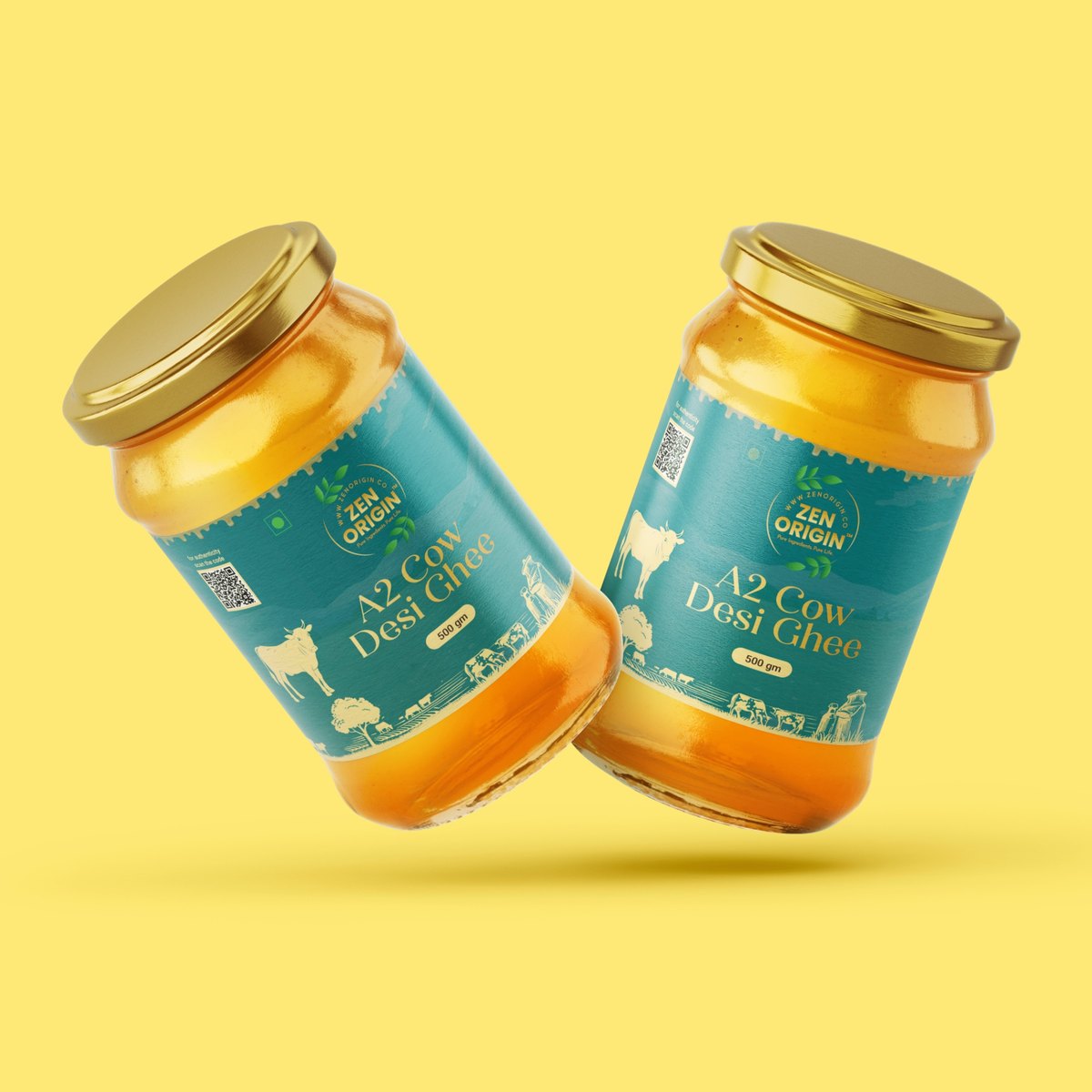
Our A2 Cow Desi Ghee is made the traditional way, from cultured curd churned into butter and slow-cooked in small batches. It is granular, nutty and deeply aromatic, and each batch is lab-tested. If you are curious about the A2 label, read A2 ghee vs regular ghee.