
Few things worry a new honey buyer more than opening the cupboard to find their golden, runny jar has turned pale and grainy. It is the most common question we receive, so here is the full answer: crystallisation is natural, it does not mean the honey has spoiled, and it is easy to reverse.
What crystallisation actually is
Honey is roughly four-fifths sugar and less than a fifth water. That is far more sugar than the water can comfortably hold, which makes honey a supersaturated solution. Sooner or later, some of that sugar comes out of solution and forms crystals.
Honey’s two main sugars behave differently. Fructose dissolves easily and stays liquid. Glucose is much less soluble, so it is the glucose that separates and forms crystals. Once the first crystals appear, they act as seeds for more, and the change spreads through the jar.
Why some honeys set faster than others
- The flowers. Every nectar has its own balance of glucose and fructose. Honeys richer in glucose crystallise quickly, sometimes within weeks; honeys high in fructose can stay liquid for a long time.
- Moisture. Food scientists often use the ratio of glucose to water to predict crystallisation. The higher it is, the faster honey sets.
- Temperature. Honey crystallises fastest in cool conditions, roughly between 10 and 20°C, which is why a jar can set over winter and stay runny through summer.
- Tiny particles. Pollen grains and fragments of wax give glucose something to build on. Raw honey contains more of them, so it tends to crystallise sooner.
Why processed honey stays liquid on the shelf
Most supermarket honey is heated and finely filtered. Heating dissolves existing crystals, and fine filtration strips out the pollen and particles that seed new ones, so the honey stays clear for months. The trade-off is that heat dulls the delicate aromas that give a single-flower honey its character, and it can raise HMF, a compound labs measure as a sign of overheating.
Is crystallised honey safe to eat?
Yes. The honey is chemically the same; only its texture has changed. Many people prefer it set, because it spreads on toast without dripping. The one thing to watch for is fermentation: a sour or alcoholic smell, foam or bubbles. That comes from excess moisture, not from crystallisation, and it is rare in properly ripened honey kept closed.
How to make crystallised honey runny again
Gentle, even warmth is all it takes:
- Close the lid tightly and stand the jar in a bowl of warm water, comfortably hot to the touch rather than boiling, around 40°C.
- Leave it for 10 to 15 minutes, stir if you can, and refresh the water as it cools.
- Repeat until the crystals have melted. A large, fully set jar may need a few rounds.
Avoid the microwave and direct heat. They create hot spots that can scorch the honey and destroy the aromas you paid for. Glass jars handle a warm-water bath well; never pour boiling water over them.
How to slow crystallisation
- Store honey at room temperature, not in the refrigerator, which speeds crystallisation.
- Keep the lid closed so the honey does not absorb moisture from the air.
- Use a clean, dry spoon every time. Crumbs and water droplets seed crystals and can encourage fermentation.
Our honeys and crystallisation
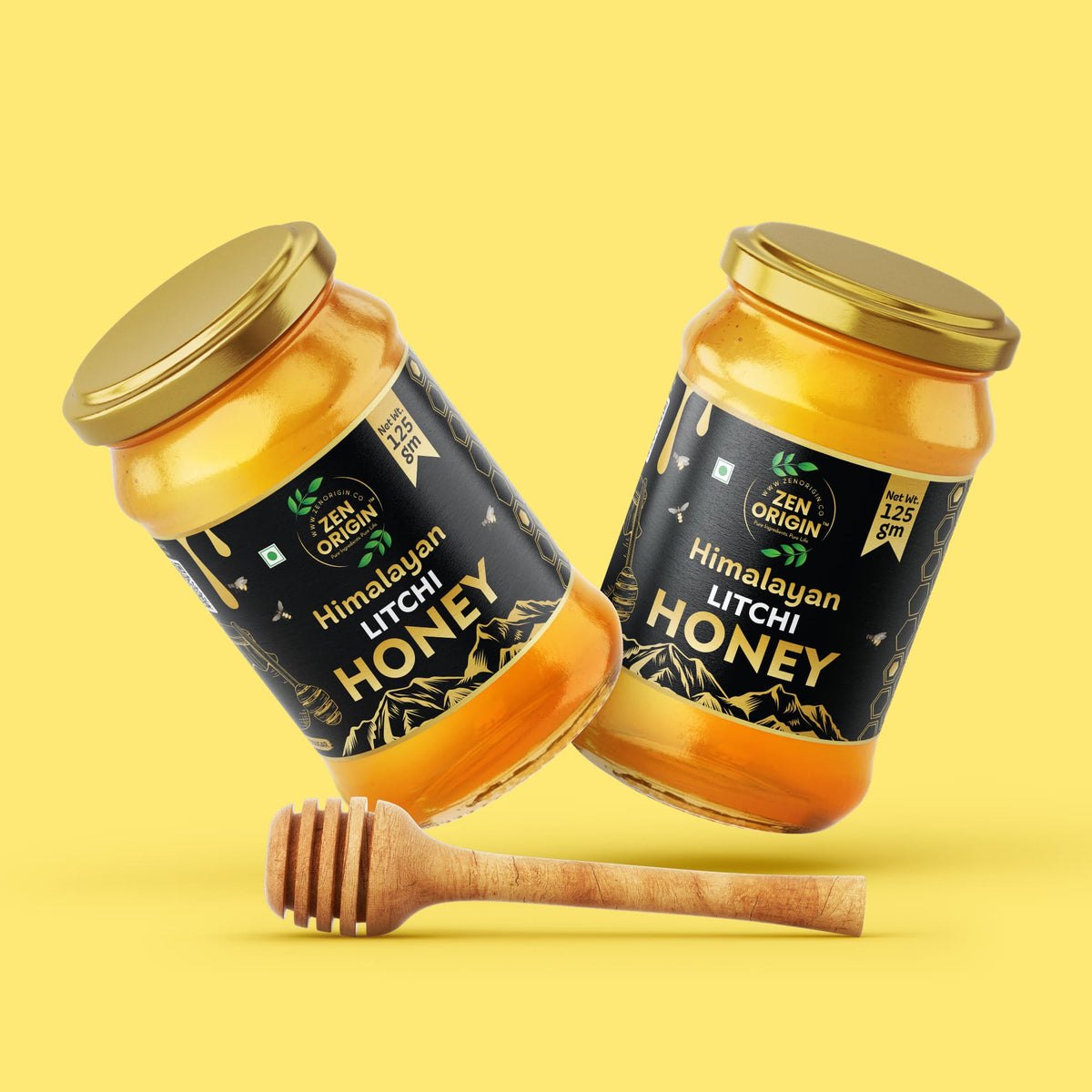
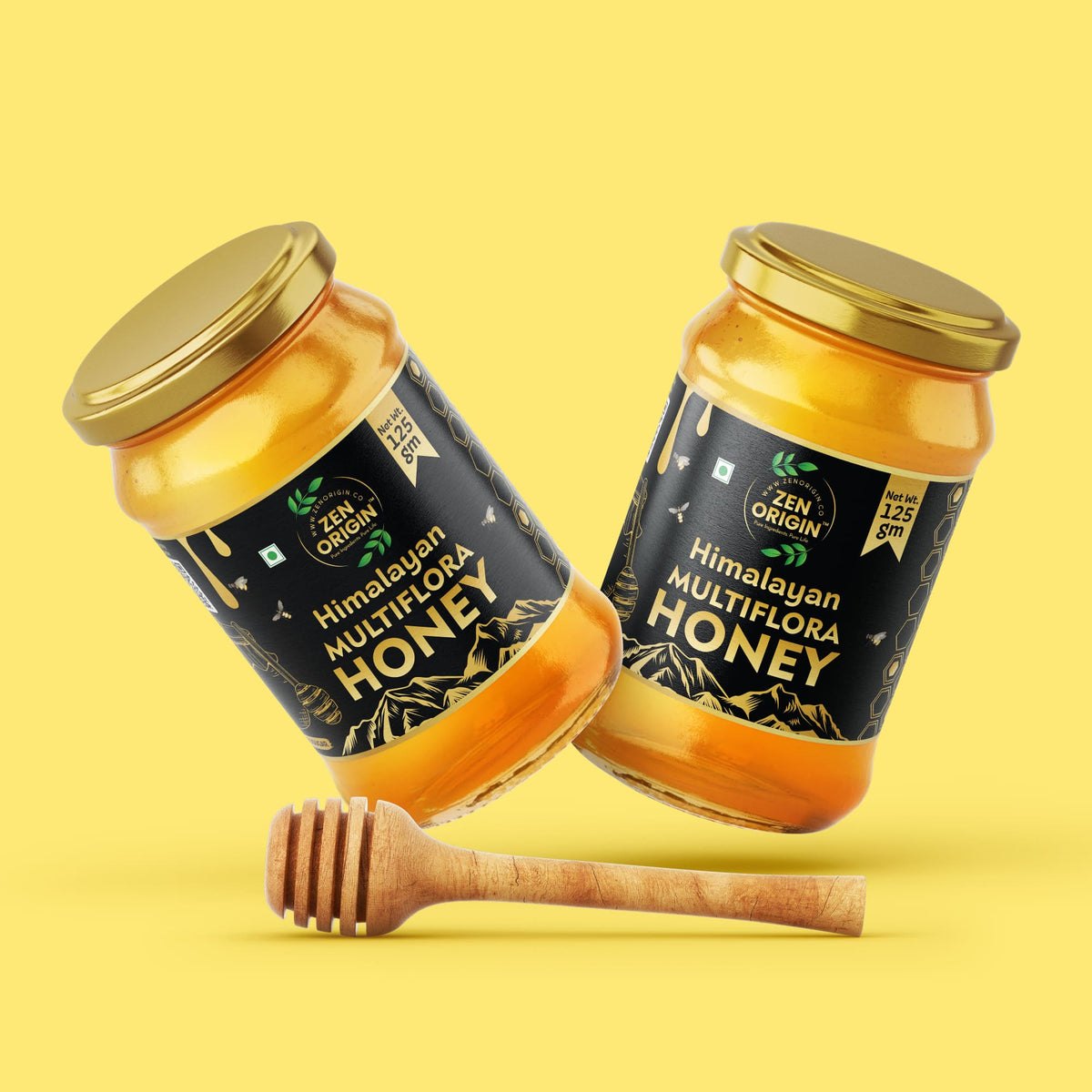
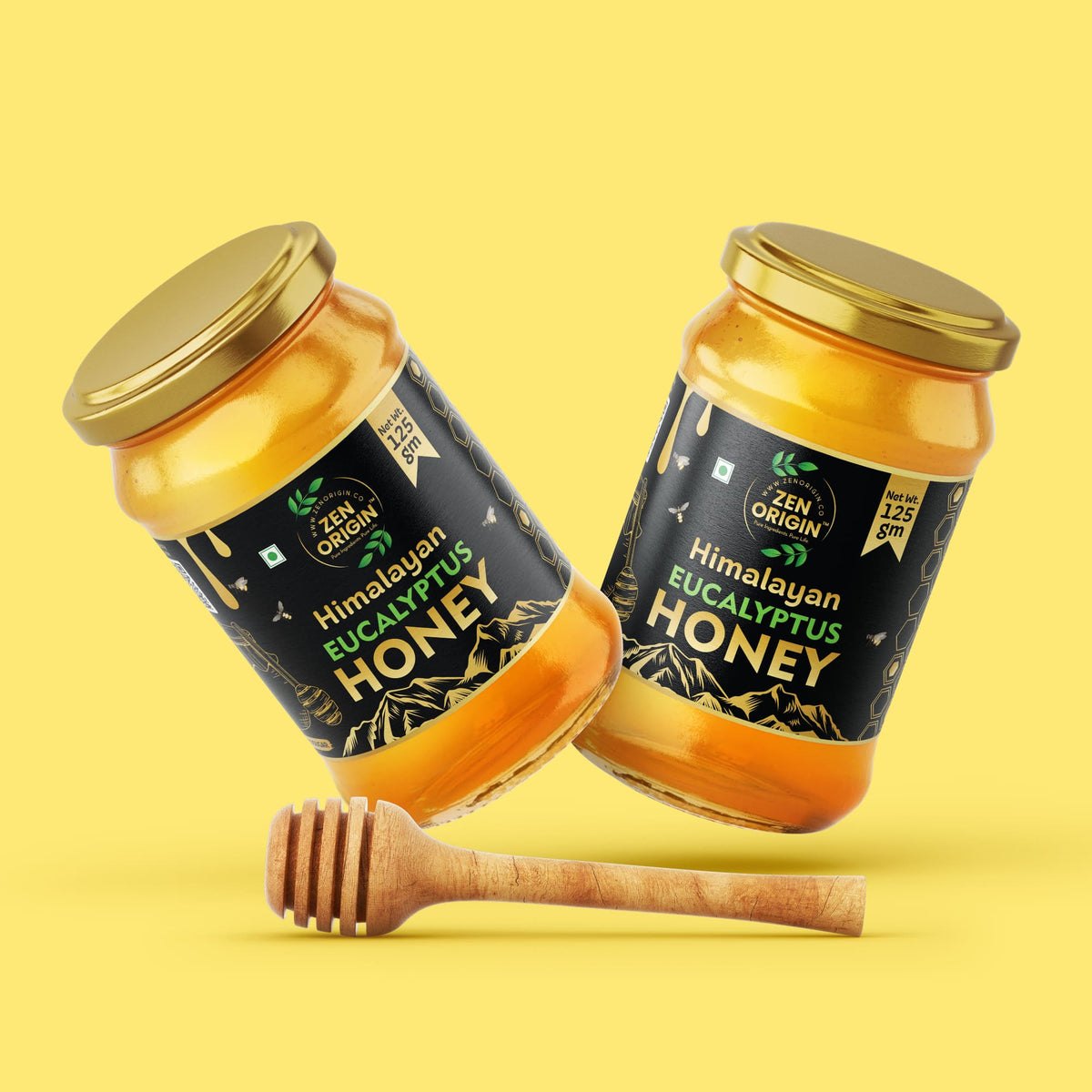
All three of our honeys are raw and unheated, so all three will crystallise in time. Our litchi honey tends to set slowly over the months, while the multiflora and eucalyptus jars change with the season and the meadows. Whichever you choose, a few minutes in warm water brings it back.